Water damage and flooding can wreak havoc on homes and businesses alike. The aftermath often leaves property owners scrambling to repair the destruction, leading to costly repairs and endless frustration. But what if there was a way to prevent these disasters before they even happen? Enter drainage surveys—a proactive approach that helps identify potential problems in your drainage system before they escalate into major issues. By understanding how drainage surveys work, you can safeguard your property from water-related woes and ensure peace of mind during heavy rains or unexpected storms. Let’s dive into the details of this essential preventative measure!
Understanding Drainage Surveys
Drainage surveys are detailed assessments of a property’s drainage system. They help identify any existing or potential issues that could lead to water damage.
These surveys often involve the use of cameras and specialized equipment to examine underground pipes and channels. This high-tech approach allows professionals to pinpoint blockages, leaks, or structural problems without extensive excavation.
Property owners may opt for these surveys during routine maintenance or when experiencing drainage issues. Early detection is key in avoiding costly repairs down the line.
The process typically includes both visual inspections and diagnostic testing, ensuring a comprehensive view of how well your drainage system functions under various conditions. By understanding what lies beneath the surface, you can make informed decisions about necessary improvements and upkeep.
The Importance of Drainage Surveys in Preventing Water Damage
Water damage can be devastating, leading to expensive repairs and health risks due to mold growth. This is where drainage surveys come into play.
By identifying potential issues in your drainage system early on, these surveys are crucial in preventing future headaches. They reveal how well water flows away from your property, ensuring that heavy rainfall doesn’t become a serious threat.
A proactive approach with drainage surveys means you can address weaknesses before they escalate. Problems like blockages or improper slopes often go unnoticed until it’s too late.
Additionally, understanding the layout of your drainage helps in planning landscaping changes or home renovations. This foresight makes all the difference when managing stormwater effectively and protecting your investment against flooding and water-related issues.
Types of Drainage Surveys
There are several types of drainage surveys, each tailored to specific needs and conditions.
One common type is the CCTV drainage survey. This method uses a small camera on a flexible rod to inspect pipes from the inside. It allows professionals to identify blockages, cracks, or deterioration without invasive digging.
Another approach is the topographical survey. This technique maps out land features and evaluates how water flows across different surfaces. It’s essential for understanding potential flood risks in an area.
Hydraulic surveys also play a critical role in assessing drainage systems’ capacity. They measure how much water can flow through drains during heavy rainfalls, ensuring they meet local regulations.
Visual inspections provide a straightforward way to identify obvious issues like surface flooding or overflowing gutters. Each type serves its purpose in maintaining effective drainage and preventing future problems related to water damage.
Benefits of Conducting a Drainage Survey
Conducting a drainage survey offers numerous advantages for property owners. First, it identifies potential issues before they escalate into costly repairs. By catching problems early, you save both time and money.
A drainage survey also enhances property value. A well-maintained drainage system instills confidence in buyers and insurers alike. When prospective buyers see that you’ve invested in preventative measures, they’re more likely to make an offer.
Moreover, these surveys can improve water management on your property. They provide insights into how water flows around your land, allowing for better landscaping decisions.
A thorough examination of your drainage system promotes environmental sustainability by reducing runoff and soil erosion. Healthy landscapes contribute positively to the ecosystem while protecting your home from flooding risks.
Common Issues Found in Drainage Surveys
Drainage surveys often reveal a range of common issues that can lead to significant problems down the line. One prevalent issue is blockages, caused by debris, tree roots, or sediment accumulation. These obstructions can disrupt the natural flow of water.
Another frequent finding is damaged pipes. Corrosion or cracks weaken the structural integrity and may lead to leaks. Such damage exacerbates water pooling and flooding risks.
Improperly installed drainage systems are also commonly identified during surveys. If drains aren’t aligned correctly, they fail to direct water efficiently away from properties.
Inadequate gradient in drainage channels often surfaces as a concern. A slope that’s too gentle can hinder water movement, increasing vulnerability to standing water and potential flooding scenarios.
Addressing these common issues promptly ensures effective drainage functionality and peace of mind for property owners.
Solutions to Improve Drainage and Prevent Water Damage
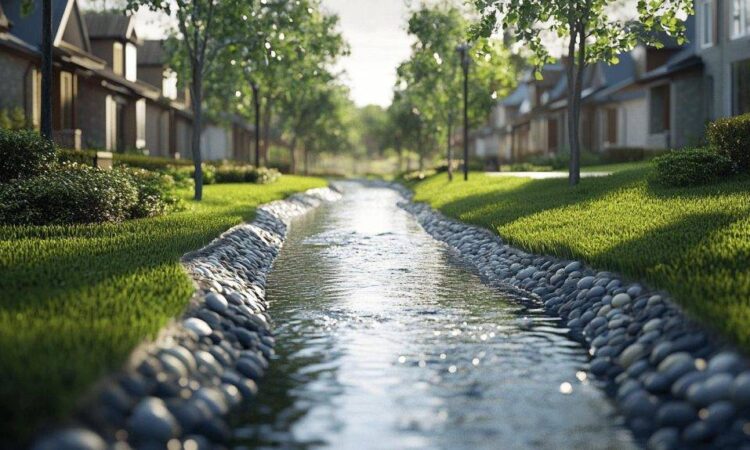
Improving drainage systems is essential for preventing water damage. One effective solution is to install French drains. These systems divert excess water away from your property, reducing the risk of flooding.
Regular maintenance of gutters and downspouts also plays a crucial role. Keeping them clean ensures proper flow and prevents overflow during heavy rainfalls.
Consider incorporating permeable paving in driveways or walkways as well. This allows for better water absorption into the ground instead of pooling on the surface.
Planting native vegetation can help too. Deep-rooted plants absorb moisture, enhancing soil stability while decreasing runoff.
Utilizing sump pumps in basements can provide additional protection against rising groundwater levels, especially in flood-prone areas. Each of these solutions contributes to a more resilient drainage system that guards against potential water damage.
Conclusion
Drainage surveys are an essential tool in protecting properties from the destructive forces of water damage and flooding. By understanding how these surveys work, you can appreciate their role in maintaining a safe environment for your home or business.
The importance of drainage surveys cannot be overstated. They help identify potential vulnerabilities before they turn into costly disasters. Regularly assessing drainage systems allows property owners to stay ahead of issues that could lead to significant water damage.
Various types of drainage surveys, such as CCTV inspections and topographical assessments, provide detailed insights into the condition of your drainage infrastructure. Each type offers unique benefits tailored to specific needs, ensuring a comprehensive evaluation.
Conducting a drainage survey offers numerous advantages. It not only helps prevent unexpected repair costs but also contributes to peace of mind knowing that your property’s risk is minimized against flooding scenarios.
Common issues identified during these surveys include blockages, leaks, and structural defects within the drainage system. Recognizing these problems early can significantly reduce the chances of severe water damage occurring later on.
There are effective solutions available to improve drainage systems based on survey findings. These may involve repairing damaged pipes, clearing blockages, or even redesigning parts of the system for better efficiency.
Taking proactive measures through regular drainage surveys safeguards both residential and commercial properties from future complications caused by excess water exposure. Prioritizing this preventive maintenance can save time and money while enhancing overall safety.