Introduction to Viking Kilts
Viking kilts are more than just a trendy fashion statement; they embody a rich tapestry of history, culture, and style. These unique garments trace their roots back to the fierce warriors of Scandinavia, whose bold spirit continues to inspire modern wearers today. With their striking designs and versatile appeal, Viking kilts have found a place in both casual wardrobes and formal occasions alike. Whether you’re drawn by the allure of Norse mythology or simply love standing out from the crowd, there’s something undeniably captivating about donning this iconic attire. Dive into the world of Viking kilts as we explore their fascinating history, traditional craftsmanship, contemporary interpretations, and much more!
The History of Viking Kilts
Viking kilts, often associated with the rugged warriors of Scandinavia, have a rich history that intertwines culture and practicality. While the term “kilt” may evoke images of Scottish heritage, its origins can be traced back to Viking attire.
During the Viking Age (circa 793-1066 AD), Norsemen wore garments made from wool or linen. These tunics were typically knee-length and paired with trousers or leggings for warmth. The Vikings valued functionality in their clothing as much as style.
As they traveled across Europe, they adopted various influences while maintaining their distinctive aesthetic. This blend led to unique designs featuring bold patterns and colors reflective of their environment and status within society.
Traditionally practical for battle and daily life, these early kilts symbolized strength and resilience—qualities synonymous with Viking identity throughout history. Today’s interpretations pay homage to this fascinating legacy while evolving into modern fashion statements.
Traditional Viking Kilt Design and Construction
Traditional Viking kilts are a fascinating blend of practicality and artistry. Crafted from durable wool or linen, these garments reflect the rugged lifestyle of their wearers. The materials were chosen for warmth and resilience, essential qualities for those living in harsh climates.
The design typically features pleats at the back to allow freedom of movement. This was crucial for warriors who needed agility during battles. Hand-stitched seams ensured durability while showcasing skilled craftsmanship.
Colors often held significance; earthy tones symbolized connection to nature, while brighter hues showcased status or clan allegiance. Patterns like checks or stripes added visual interest and cultural identity.
Accessories played an important role too—leather belts and ornamental brooches not only served functional purposes but also highlighted personal style. Each piece told a story, making traditional Viking kilts more than just clothing; they embodied heritage and pride in one’s roots.
Modern Interpretations of Viking Kilts
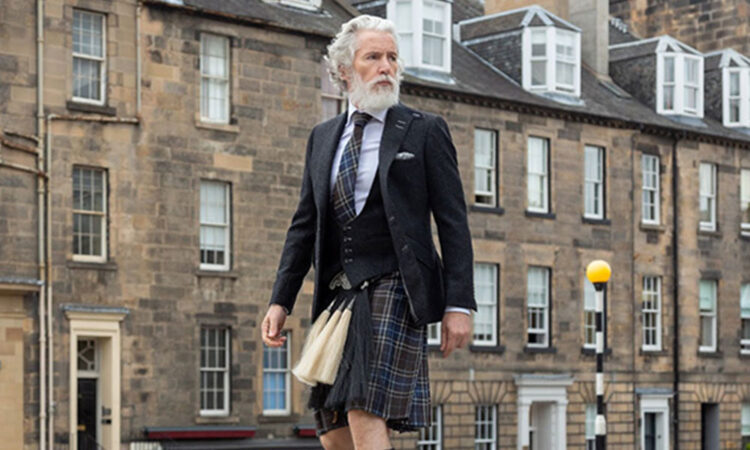
Today’s fashion scene has embraced Viking kilts, blending ancient designs with contemporary style. Designers are experimenting with materials like denim and leather, creating unique pieces that appeal to a broader audience.
Some modern interpretations feature bold patterns and colors. This allows wearers to express individuality while honoring the kilt’s rich heritage. Accessories also play a vital role; many choose to pair their kilts with stylish belts, boots, or even graphic tees.
Comfort remains a priority in these new versions. Many brands focus on breathable fabrics that allow freedom of movement while retaining an authentic look.
Athleisure influences can also be seen as some opt for shorter lengths and more casual styles suitable for everyday wear. These adaptations show how versatile Viking kilts can be, transcending their historical roots into mainstream fashion choices today.
How to Wear a Viking Kilt
Wearing a Viking kilt can be an adventure in style and comfort. Start by choosing the right fit. A snug waist with enough length for movement is essential.
Layer your outfit with a tunic or shirt, allowing the kilt to stand out as the centerpiece. Opt for natural fabrics like wool or linen for authenticity.
Accessorizing adds personality. Consider adding a leather belt to cinch your waist and enhance your silhouette. A brooch can serve both functional and decorative purposes.
Footwear plays a role too; sturdy boots are ideal for that rugged Viking look while ensuring comfort. Don’t forget about outdoor elements – weather-appropriate layers might come in handy.
Embrace confidence! The spirit of Vikings was bold, so wear it proudly whether at festivals or casual outings.
Symbolism and Meaning Behind Viking Kilts
Viking kilts are rich in symbolism, reflecting the warrior spirit and cultural identity of the Norse people. The design often features bold patterns and colors, each telling a story rooted in tradition.
Colors were not just for aesthetics; they represented different clans or families. Wearing specific hues could signify allegiance and heritage. This connection to ancestry remains significant today.
The kilt itself is a nod to strength and practicality. Vikings valued clothing that allowed freedom of movement during battle or daily tasks. A Viking kilt embodies resilience—a symbol of survival against the odds.
In modern times, these garments serve as a reminder of Viking history while promoting unity among enthusiasts who embrace their roots. Each piece worn is more than fabric; it’s a tribute to an enduring legacy that resonates with many today.
The Growing Popularity of Viking Kilts in Fashion
Viking kilts are making waves in the fashion world, capturing the imagination of designers and enthusiasts alike. Their distinct style blends history with modern aesthetics, appealing to a wide audience.
Streetwear and casual attire have embraced these garments for their versatility. Fashion-forward individuals appreciate how Viking kilts can elevate everyday outfits while adding an adventurous twist.
Social media influencers are showcasing creative ways to style them, pushing boundaries and inspiring others to explore this unique garment. The rise of traditional craftsmanship has also played a role; many brands focus on quality materials that celebrate heritage.
Events like Renaissance fairs or cosplay conventions further amplify interest in Viking culture and clothing. As more people seek meaningful connections through fashion, the kilt stands out as both a statement piece and a nod to rich historical roots.
Conclusion
Viking kilts have a rich history that stretches back centuries, evolving from practical garments into symbols of culture and style. Their design reflects both functionality and aesthetic appeal, making them versatile pieces in modern wardrobes. The resurgence of Viking kilts in contemporary fashion showcases the enduring legacy of Norse traditions while allowing for personal expression.
As more people embrace these unique garments, they connect with a powerful heritage that resonates with many today. Wearing a Viking kilt is not just about fashion; it’s about embracing history and celebrating individuality. Whether you’re attending a festival or simply looking to make a bold statement, Viking kilts offer an opportunity to stand out while paying homage to the past.
The popularity of Viking kilts continues to rise as enthusiasts seek authenticity and style in their clothing choices. With countless designs available—each telling its own story—the allure of the Viking kilt will likely endure for years to come. Embrace this captivating piece of history and let it inspire your wardrobe journey!