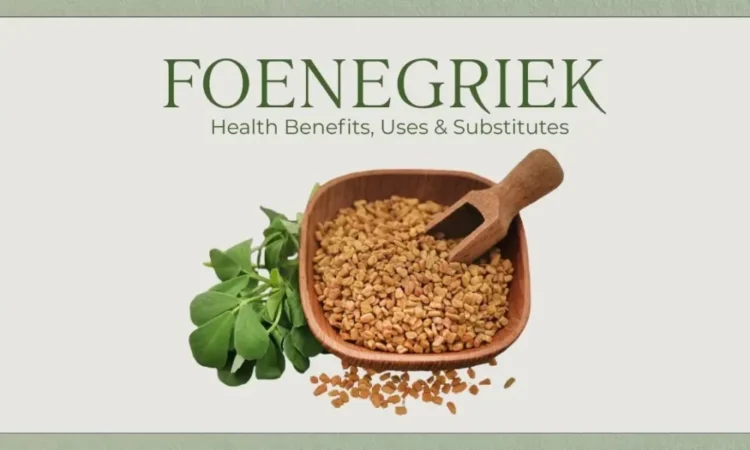
Are you ready to explore a spice that has captivated cultures for centuries? Foenegriek, also known as fenugreek, is more than just a culinary delight. This ancient herb boasts a rich history and an array of health benefits that might surprise you. Whether you’re drawn to its unique flavor or curious about its medicinal properties, foenegriek offers something for everyone. Dive into the fascinating world of this versatile herb and discover how it can enhance your cooking while promoting well-being. From historical roots to modern-day uses, let’s unravel all that foenegriek has to offer!
The History and Origin of Foenegriek
Foenegriek has a storied past that stretches back thousands of years. Its origins can be traced to regions of the Mediterranean and parts of Asia. Ancient Egyptians revered it, using foenegriek in their rituals and as a spice for flavoring dishes.
The Greeks also cherished this herb, often mentioning it in historical texts. They recognized its medicinal properties, employing it for various ailments. As trade routes expanded, so did the popularity of foenegriek across Europe and Asia.
In India, foenegriek became an essential ingredient in traditional cuisine and Ayurvedic medicine. It features prominently in curries and is celebrated for its health benefits.
Throughout history, this remarkable herb has crossed borders and cultures, evolving into a staple in kitchens worldwide while retaining its rich heritage.
Nutritional Value and Health Benefits of Foenegriek
Foenegriek, or fenugreek, is a powerhouse of nutrition. It is rich in vitamins such as A, C, and several B vitamins. These nutrients play essential roles in maintaining overall health and wellness.
The seeds are an excellent source of dietary fiber. Fiber aids digestion and helps regulate blood sugar levels. This makes foenegriek particularly beneficial for those managing diabetes.
Furthermore, the presence of minerals like iron, magnesium, and potassium contributes to heart health. Iron supports red blood cell production while magnesium helps with muscle function.
Foenegriek also contains antioxidants that combat oxidative stress in the body. These compounds may contribute to reduced inflammation and improved immune response.
Additionally, some studies suggest that it can enhance milk production in breastfeeding mothers. The combination of its nutritional profile makes foenegriek a valuable addition to any diet focused on health benefits.
Culinary Uses of Foenegriek in Different Cultures
Foenegriek, known as fenugreek in English, is a versatile ingredient cherished across various cultures. In Indian cuisine, it plays a vital role in dishes like curry and dal, offering a slightly bitter yet sweet flavor.
In North African kitchens, foenegriek seeds are often roasted and ground into spice blends for tagines. The earthy notes complement the rich ingredients beautifully.
Middle Eastern cuisines embrace this herb too. It’s common to see it featured in flatbreads or used as seasoning for meats.
Even in Mediterranean diets, foenegriek leaves add depth to salads and stews. They provide not just taste but nutritional benefits that enhance every meal.
Each culture brings its unique flair when incorporating foenegriek into traditional recipes. This herb has truly carved out its niche around the globe!
Foenegriek as a Medicinal Herb
Foenegriek, also known as fenugreek, is more than just a culinary herb. It has been revered for centuries in traditional medicine systems like Ayurveda and Unani.
The seeds are packed with compounds that may help regulate blood sugar levels, making it beneficial for those with diabetes. Studies suggest its potential to improve insulin sensitivity.
Additionally, foenegriek boasts anti-inflammatory properties. This can aid in reducing pain associated with conditions such as arthritis.
Some women use foenegriek to alleviate menstrual discomfort or boost lactation during breastfeeding.
Its antioxidant content also supports overall health by combating free radicals in the body.
Incorporating this herb into your daily routine could provide numerous benefits beyond flavor enhancement.
Tips for Growing and Harvesting Foenegriek
Growing foenegriek, also known as fenugreek, can be a rewarding experience. Start by choosing a sunny spot in your garden or balcony. Foenegriek loves warmth and thrives best in well-drained soil.
When planting seeds, space them about 12 inches apart to allow for healthy growth. Water the plants regularly but avoid overwatering; they prefer slightly dry conditions.
As the plants grow, keep an eye out for pests like aphids. A gentle spray of water can help keep these nuisances at bay without harming your plants.
Harvesting is simple! Wait until the pods turn brown and brittle before picking them off. This ensures that you’ve captured all their flavor and nutrients. Dry the harvested seeds in a shady area to preserve their quality.
With proper care, your foenegriek will flourish and provide you with both culinary delights and health benefits right from your own garden.
How to Incorporate Foenegriek into your Diet
Incorporating foenegriek into your diet can be both fun and rewarding. Start by adding the seeds to smoothies for a nutrient boost. Their earthy flavor blends well with fruits, creating a delicious drink.
You can also sprinkle ground foenegriek onto oatmeal or yogurt. This adds texture as well as health benefits to your breakfast routine.
For savory dishes, consider using it in soups or stews. The seeds enhance flavors while providing additional nutrients.
Foenegriek leaves are great in salads or as a garnish for curries and stir-fries. They bring a unique taste that complements many ingredients.
Baking enthusiasts can include foenegriek powder in bread or muffin recipes. It introduces an interesting twist to familiar treats while enriching them nutritionally.
Experimenting with this ingredient will surely open up new culinary possibilities!
Potential Side Effects and Precautions when Using Foenegriek
While foenegriek offers numerous health benefits and culinary delights, it’s essential to use this herb with caution. Some people may experience allergic reactions, particularly those who are sensitive to chickpeas or peanuts. Symptoms can include skin rashes or gastrointestinal discomfort.
Pregnant women should avoid high doses of foenegriek since it may stimulate uterine contractions. It is always best to consult with a healthcare provider before adding any new supplement or herb to your routine, especially if you have existing health conditions or are taking medications.
When using foenegriek as a spice in cooking, moderation is key. A little goes a long way in terms of flavor and potential effects on the body. Always listen to your body and pay attention to how you feel after consuming it.
With awareness and care, foenegriek can be an exciting addition to both your pantry and medicinal practices. Embrace its unique qualities while respecting its potency for a balanced approach to wellness.