
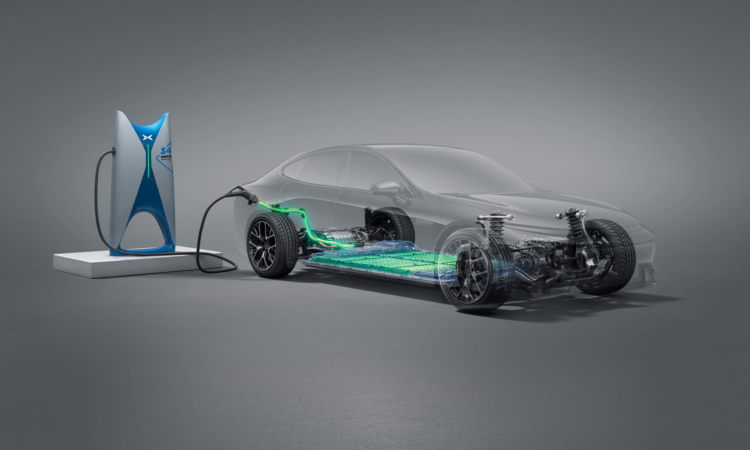
Introduction to 800V Platforms
The automotive industry is experiencing a seismic shift, driven by the relentless pursuit of innovation and efficiency. Central to this transformation are 800v platform adoption rate 2025, which promise to redefine how electric vehicles (EVs) operate. As manufacturers embrace higher voltage systems, they unlock new potential for performance, charging speed, and overall vehicle capabilities. This evolution not only enhances the driving experience but also paves the way for a more sustainable future in transportation. Dive into the world of 800V technology and discover how it’s shaping the next generation of automotive innovation.
Advantages of 800V Platforms in the Automotive Industry
One of the standout benefits of 800V platforms is their ability to enhance charging speed. With higher voltage, electric vehicles can recharge significantly faster than traditional systems. This reduction in downtime empowers drivers with greater convenience.
Another advantage lies in improved efficiency. The increased voltage allows for smaller conductors and lighter components, leading to reduced weight in the vehicle. This not only boosts performance but also extends range—an essential factor for EV enthusiasts.
Moreover, these platforms enable advanced powertrain technologies such as dual or multi-motor setups. By distributing power more effectively, manufacturers can achieve better acceleration and handling characteristics.
The compatibility with ultra-fast charging networks offers a transformative experience for users. As infrastructure continues to evolve alongside these advancements, seamless integration becomes ever more attainable within the automotive landscape.
Case Studies of Companies Adopting 800V Technology
Porsche has taken the lead with its Taycan, a luxury electric vehicle that leverages an 800V architecture. This enables faster charging times and enhances overall performance. In just over 20 minutes, drivers can recharge to about 80% capacity.
Hyundai is also on board, utilizing this technology in their Ioniq 5 model. The innovative platform allows for high-speed charging and efficient energy management, which sets it apart in the competitive EV market.
Another noteworthy example is Audi’s e-tron GT. It showcases how integrating 800V platforms can result in impressive acceleration and driving dynamics while maintaining efficiency.
These case studies highlight how pioneering companies are embracing change through advanced voltage systems. Their commitment not only boosts consumer interest but also fosters a new era of automotive innovation.
Challenges and Limitations of 800V Platforms
While 800V platforms offer significant advantages, they come with their own set of challenges. One major hurdle is the cost associated with developing and implementing this technology. The initial investment for manufacturers can be substantial.
Another concern involves infrastructure compatibility. Not all charging stations are equipped to handle 800V systems, limiting access for users. This inconsistency can hinder widespread adoption and create uncertainty in consumer choice.
Thermal management also poses a challenge. Higher voltage levels generate more heat, necessitating advanced cooling solutions to ensure efficiency and safety during operation.
Additionally, existing electric vehicle components may need redesigning or replacement to work effectively within an 800V framework. This transition period could lead to increased complexity in manufacturing processes.
Regulatory standards are still evolving around high-voltage systems, potentially slowing down innovation as companies navigate compliance requirements while trying to push boundaries in automotive tech.
The Future of 800V Platforms in Automotive Innovation
The future of 800V platforms in automotive innovation looks promising. As manufacturers seek to enhance performance, these high-voltage systems will play a pivotal role.
With the rise of electric vehicles, the demand for faster charging solutions grows. An 800V architecture allows for ultra-fast charging capabilities, significantly reducing downtime. This could redefine consumer expectations around EV ownership.
Moreover, advancements in battery technology are expected to complement 800V platforms. Improved energy density and efficiency can lead to longer-range vehicles that don’t compromise on power.
Collaboration among tech companies and automakers will accelerate this evolution. Integrating smart features with 800V systems opens doors for enhanced vehicle-to-grid interactions, creating a more sustainable ecosystem.
As regulatory pressures increase regarding emissions and sustainability, embracing high-voltage technologies becomes essential for compliance while driving innovation forward. The integration of advanced safety features alongside these platforms ensures that they evolve not just in speed but also in reliability and security.
Conclusion: Embracing the Evolution of 800V Technology
The emergence of 800V platforms marks a pivotal moment in the automotive landscape. As manufacturers increasingly adopt this technology, they unlock new levels of performance and efficiency. The ability to charge faster, improve energy density, and enhance overall vehicle range is reshaping consumer expectations and driving competition.
Embracing 800V technology paves the way for innovative designs that prioritize sustainability without compromising on power. While challenges remain—such as infrastructure readiness and cost implications—the benefits are undeniable. Companies leading the charge are setting benchmarks that others will aspire to reach.
As we look forward, it’s clear that 800V platforms will continue to influence automotive innovation profoundly. Stakeholders across the industry must adapt and evolve alongside these advancements to foster an environment where electric mobility can thrive. The journey into high-voltage systems promises not only better vehicles but also a greener future for all drivers around the globe.

