If you’ve ever stood in your garden and admired your shed, you might not have considered the possibility that it could affect your council tax. Yes, that humble wooden structure can sometimes come with unexpected costs. Garden sheds are a common feature in many backyards, serving as storage for tools or even cozy retreats. But when does a simple shed become subject to taxation? Understanding the ins and outs of garden shed council tax is essential for homeowners who want to avoid surprises on their next bill. Let’s dive into what this entails and how you can navigate these waters smoothly while still making the most of your outdoor space.
What is Garden Shed Council Tax?
Garden shed council tax refers to the potential taxation that can arise when a garden shed meets specific criteria set by local councils. This tax is not applied to every shed; rather, it generally affects those deemed as permanent structures or living spaces.
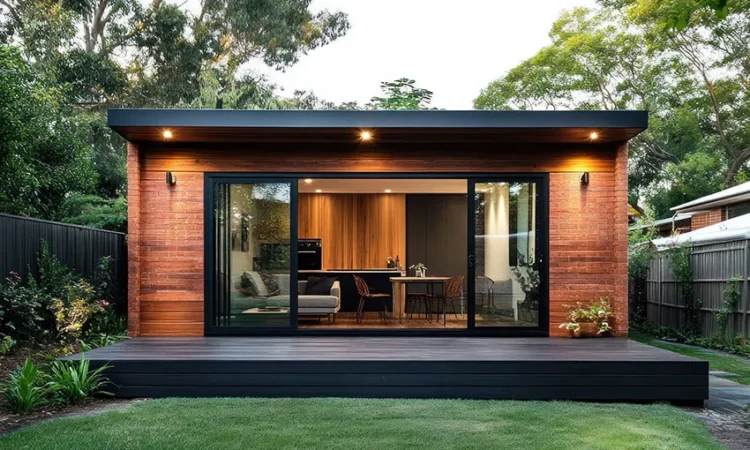
If your shed has been converted into a workspace, studio, or even a guest room, it may fall under different regulations. The distinction lies in its use and permanence. Temporary storage for garden tools typically doesn’t trigger any charges.
Local authorities assess these buildings based on size, structure, and purpose. If you’re unsure whether your garden shed qualifies for council tax assessment, it’s worth checking with your local council for guidelines tailored to your area.
Understanding the Criteria for Paying Garden Shed Council Tax
When it comes to garden shed council tax, understanding the criteria is crucial. Not all sheds qualify for taxation; size and usage are primary factors. Generally, a shed that exceeds 100 square feet might attract attention from local authorities.
If your garden shed is used primarily for storage or as a workspace, you may face council tax charges. However, if it remains purely ornamental or houses gardening tools only, you typically won’t incur extra fees.
Local regulations can vary significantly. Always check with your local council to clarify their specific guidelines on what qualifies as taxable space.
Another aspect involves planning permission—if you’ve built your shed without proper authorization or in violation of zoning laws, this could lead to additional scrutiny and potential taxes.
Being informed ensures you’re not caught off guard by unexpected charges related to your cherished outdoor space.
Tips for Reducing Garden Shed Council Tax
Reducing garden shed council tax can be a smart move for homeowners. Start by assessing whether your shed qualifies as an outbuilding or if it’s considered a separate dwelling. The distinction matters when it comes to taxation.
Consider downsizing your garden shed, especially if it exceeds the size limits set by local authorities. Smaller structures often fall under different regulations and may not incur any charges.
Utilize your shed primarily for storage rather than as a living space. If it’s used solely for gardening tools, bikes, or other equipment, you might avoid additional taxes altogether.
Another option is to check with your local council about exemptions or reliefs available for specific uses of sheds, such as community projects or charitable activities. Always keep documentation handy in case you need to prove usage type.
Stay informed on changing guidelines and regulations that could impact how council tax applies to garden sheds over time.
Regulations and Requirements for Garden Sheds
When considering a garden shed, it’s essential to understand local regulations. Planning permission may be required depending on the size and type of your structure.
Typically, sheds under a specific height are exempt from needing permission. However, this can vary significantly by council. Always check with your local authority for precise guidelines.
Building codes also play a role in construction standards. Your shed must adhere to safety measures regarding fire hazards and structural integrity.
In some areas, you might need to ensure that the shed is set back from property boundaries. This helps maintain space between your structure and neighboring homes or gardens.
Additionally, if you plan on using the shed for commercial purposes or as a living space, different rules will apply. Be informed about these distinctions before proceeding with any plans for your garden sanctuary.
Creative Uses for Your Garden Shed
Transforming your garden shed can unlock a world of possibilities. It’s not just a storage space; it can become whatever you envision.
Consider turning your shed into an art studio. With natural light streaming in and quiet surroundings, it’s the perfect place to unleash creativity. Hang your artwork on the walls for inspiration.
A cozy reading nook is another fantastic idea. Add some cushions, shelves filled with books, and string lights for ambiance. You’ll have an escape right in your backyard.
For those with green thumbs, why not convert it into a potting station? Organize tools, soil, and pots while creating an inviting area to nurture plants before they hit the garden.
If you’re feeling social, host game nights or gatherings inside! Set up seating arrangements and keep snacks handy for fun times under one roof—your garden shed will be the ultimate gathering spot.
How to Appeal a Garden Shed Council Tax Charge
If you believe your garden shed has been unfairly assessed for council tax, you have the right to appeal. Start by gathering all relevant documents that support your case, including photos and any previous correspondence with the council.
Next, check the local regulations regarding appeals. Each council may have its own process and deadlines for submissions. Familiarize yourself with these requirements to ensure your appeal is valid.
When writing your appeal letter, be clear and concise. State why you think the charge is incorrect and provide evidence to back up your claims.
It’s crucial to remain polite throughout this process. A respectful tone can go a long way in encouraging a positive response from officials who handle these matters.
Keep track of all communications related to your appeal so that you have a record if further action is needed down the line.
Conclusion
When considering the implications of garden shed council tax, it’s essential to understand both the financial and regulatory aspects. Taking time to evaluate whether your shed qualifies for a tax charge can help you save money in the long run. Knowing how to appeal any unexpected charges is equally important.
Creative uses for garden sheds can transform them from mere storage units into valuable extensions of your home. Whether turned into potting stations, art studios, or cozy reading nooks, these spaces hold potential beyond what many realize.
Be proactive about compliance with local regulations regarding garden structures. Familiarizing yourself with these guidelines will prevent surprises down the line. With careful planning and thoughtful use, your garden shed can be both functional and enjoyable while keeping costs manageable.
Understanding all facets of council tax related to garden sheds helps maintain clarity in management and ownership responsibilities. Embrace this opportunity to enhance your outdoor space without unnecessary financial burdens weighing you down.