Are you looking to maximize your living space without taking on a massive renovation project? A lean-to extension might just be the perfect solution for you. This versatile structure can transform your home, providing extra room for various uses while maintaining an efficient design. Whether you’re dreaming of a cozy reading nook or a vibrant garden area, understanding what a lean-to extension entails is the first step toward making that vision a reality. Let’s dive into everything you need to know about this stylish and practical addition!
Understanding the basics of a lean-to extension
A lean-to extension is a simple yet effective type of home addition. It typically features a roof that slopes down from the main structure, resembling an awning or canopy. This design not only enhances aesthetics but also allows for efficient drainage.
Commonly built against one wall, it can utilize existing foundations and walls, making construction straightforward. Lean-tos are often used to add space for kitchens, sunrooms, or utility areas.
These extensions blend seamlessly with various architectural styles. Their minimalist nature means they can complement both modern and traditional homes alike. Plus, building regulations tend to be less stringent due to their straightforward design.
When considering this option, think about how you want to use the new space and its placement relative to your existing layout. A well-planned lean-to can provide functionality while enhancing your home’s overall charm.
Benefits of a lean-to extension
A lean-to extension offers a variety of benefits that can transform your living space. First, it maximizes the use of existing structures, allowing you to expand without needing extensive renovations.
This type of extension is often more affordable than traditional builds. By utilizing simple designs and materials, homeowners can enjoy added value without breaking the bank.
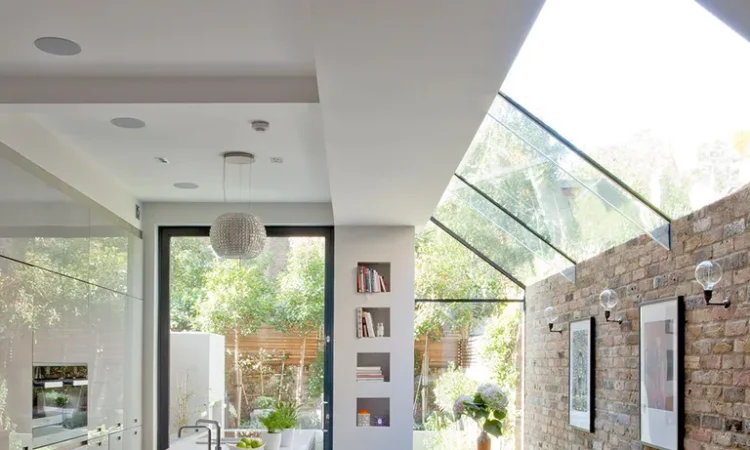
Natural light floods in through large windows or skylights commonly used in lean-tos. This brightness enhances the atmosphere, making any room feel welcoming and spacious.
Flexibility is another standout feature. A lean-to can serve multiple purposes—be it a cozy reading nook, an efficient workspace, or even extra storage—all tailored to your needs.
These extensions tend to blend seamlessly with various architectural styles. They create an attractive addition that enhances curb appeal while providing functional outdoor space as well.
Factors to consider before building a lean-to extension
Before embarking on a lean-to extension, several crucial factors should be evaluated.
First, check local building regulations. Different areas have specific guidelines that dictate what you can and cannot build. Compliance is essential to avoid complications later.
Next, consider your property’s layout. How will the new structure interact with existing spaces? Think about light exposure and accessibility.
Budget is another key aspect. From materials to labor costs, ensure you have a clear financial plan in place before starting.
Don’t forget about drainage and roofing options as well. Water management is vital for longevity and functionality.
Envision how this space aligns with your lifestyle needs. Will it serve as an office, workshop or family area? Defining its purpose early ensures better design choices down the line.
Planning and designing your lean-to extension
Planning a lean-to extension starts with envisioning how it will fit into your existing space. Think about its purpose—will it serve as a cozy reading nook, extra storage, or perhaps an airy workspace? Each function can guide your design choices.
Consider the orientation of the sun and how natural light will interact with your new area. Large windows can flood the space with warmth, while overhangs can provide shade during hotter months.
Your choice of roof style is crucial too. A flat roof offers modern aesthetics but might require careful drainage planning, while a pitched roof enhances traditional charm and helps manage rainwater more effectively.
Don’t forget to check local building regulations before you start sketching. Understanding zoning laws and obtaining necessary permits can save you from future headaches down the line. Engaging an architect or designer might also be beneficial to bring your vision to life seamlessly.
Materials and cost involved in building a lean-to extension
When embarking on a lean-to extension, selecting the right materials is crucial. Common options include timber for framing and sturdy roofing materials like tiles or corrugated metal. Each choice affects not just aesthetics but also insulation and durability.
Cost can vary greatly based on your selections. Basic timber frames might start at a reasonable price, while premium woods will push expenses higher. Roofing choices can range from budget-friendly to high-end designs that elevate the overall look.
Don’t overlook additional elements such as windows, doors, and finishes. These can significantly impact your total expenditure yet add value to the space you create.
Labor costs are another factor to consider if you’re hiring professionals. DIY projects may save money upfront but require time and skill investment.
Budgeting wisely ensures you achieve both functionality and style in your lean-to extension without breaking the bank.
Step-by-step guide to building a lean-to extension
Building a lean-to extension can be an exciting project. Start by obtaining the necessary planning permissions. Check local building regulations to ensure compliance.
Next, prepare your site. Clear any debris and level the ground where the structure will sit. It’s essential for stability and proper drainage.
Once your area is ready, lay out the foundation. Concrete footings are often ideal for supporting a lean-to design.
Assemble your frame using timber or steel beams, ensuring it’s sturdy enough to handle roofing materials and environmental factors.
Install insulation if desired, then cover with external cladding that complements your home’s aesthetic.
Add windows and doors for natural light and accessibility. Finishing touches like interior decor can really make this space feel inviting!
Creative ways to use your new lean-to space
Transform your lean-to extension into a cozy reading nook. Large windows can invite natural light, making it the perfect spot to dive into that stack of books you’ve been meaning to read.
Alternatively, consider creating an art studio. The extra space allows for easels and supplies while keeping creativity flowing in a serene environment.
If you love gardening but lack outdoor space, turn your lean-to into an indoor greenhouse. A few shelves and some potted plants will breathe life into the room.
For those who enjoy entertaining, design a mini bar area with seating options. It’s a great way to host friends while utilizing every inch of your new extension.
Think about setting up a small home office. With proper insulation and lighting, it can be both functional and inspiring for remote work or creative projects.
Conclusion
A lean-to extension offers a versatile way to enhance your living space. Whether you want an extra room, a cozy reading nook, or a functional utility area, this type of extension can meet various needs while adding aesthetic value to your property.
By understanding the benefits and considering essential factors before building one, you set yourself up for success. Proper planning and design allow for creativity in using the new space effectively. Choosing suitable materials will ensure durability without breaking the bank.
With clear steps laid out for construction, even DIY enthusiasts can take on this project with confidence. Once completed, you’ll discover countless creative uses for your lean-to extension that elevate both comfort and functionality at home.
Embracing this addition not only maximizes real estate but also enriches daily life experiences within your home environment. So why wait? Start envisioning how a lean-to extension could transform your space today!