
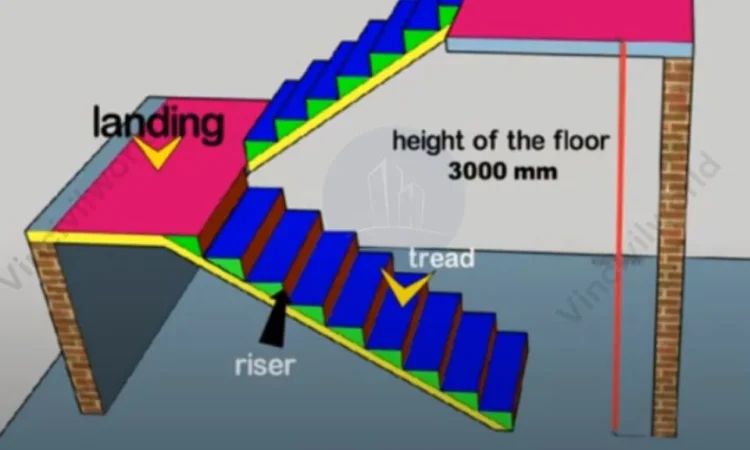
Introduction to Stair Components Diagrams
Staircases are more than just a way to get from one floor to another; they can be stunning architectural features that enhance the beauty of a home. But before you can bring your dream staircase to life, you need to decode its blueprint—the stair components diagram. If you’re looking at plans for a new build or renovation, understanding these diagrams is crucial. They contain essential details about each element of the staircase, from treads and risers to balusters and handrails.
So, how do you navigate this visual language? Whether you’re an aspiring DIYer or collaborating with professionals, mastering the art of reading and interpreting stair components diagrams will empower you in your construction journey. Join us as we delve into this vital skill!
Understanding the Basic Elements of a Staircase
A staircase is more than just a way to get from one level to another. It consists of various components that work together for both functionality and safety.
The basic elements include treads, risers, and stringers. Treads are the horizontal parts you step on, while risers are the vertical sections that connect each tread. Together, they create the stair’s overall structure.
Stringers are the diagonal supports running along either side or beneath the stairs. They provide strength and stability, ensuring your staircase can bear weight effectively.
Other elements like landings offer a resting point between flights of stairs. Handrails enhance safety by providing support as you ascend or descend.
Recognizing these components is essential when reading diagrams since they outline how everything fits together in your design project.
Different Types of Stairs and Their Components
Stairs come in various styles, each with unique components tailored for specific needs. The most common type is the straight staircase. It’s simple and consists of treads, risers, and often a handrail.
Then there are L-shaped stairs. These have a landing that allows for a change in direction. Each step still features standard components but adds complexity with the landing area.
Circular or spiral staircases save space while providing aesthetic appeal. Their design includes curved treads and may require custom railing options to ensure safety.
For outdoor settings, deck stairs are built sturdily to handle weather effects. They might use wider treads and more durable materials compared to indoor varieties.
Each style serves its purpose well while showcasing different components that meet both functional and artistic demands of any space. Understanding these variations helps when reading diagrams related to construction projects.
Interpreting Measurements and Dimensions on Diagrams
When it comes to stair components diagrams, measurements and dimensions are crucial. These numbers provide essential information about how the staircase will fit within a space.
Pay attention to the rise and run of each step. The rise refers to the vertical distance between steps, while the run indicates their horizontal depth. Understanding both is vital for comfort and safety.
Additionally, check for overall height and width specifications. These details help ensure your staircase complies with local building codes.
Don’t overlook any notes regarding headroom clearance either. This measurement is critical, especially in tight spaces where users may frequently pass through.
Remember that scales can vary across diagrams. Always double-check to understand the proportionate size of your stairs relative to other elements in a project layout or design plan.
Common Symbols Used in Stair Components Diagrams
When diving into stair components diagrams, familiarizing yourself with common symbols is essential. Each icon conveys specific information that simplifies the reading process.
For example, a simple triangle often represents risers. These are the vertical sections of stairs that contribute to their height. Understanding this can help you visualize each step’s elevation.
Another frequently used symbol is the horizontal line depicting treads. Treads are where your feet land when climbing or descending. They provide important measurements for comfort and safety.
Look out for dashed lines too; they typically indicate hidden elements like support beams or structural components not visible in an elevation view.
Arrows may show direction, whether indicating ascent or descent, guiding builders in constructing safe and functional staircases. Knowing these symbols enhances your ability to interpret complex diagrams accurately and efficiently.
Tips for Reading and Interpreting Complex Diagrams
When faced with complex stair components diagrams, take a moment to breathe. Start by breaking down the diagram into manageable sections. Focus on one part of the staircase at a time.
Use a highlighter or digital tools to mark key elements. This visual aid helps create associations between different parts and their functions.
Familiarize yourself with common abbreviations and terminology used in architectural drawings. Understanding these terms can save you confusion later on.
Don’t hesitate to refer back to basic staircase anatomy while interpreting intricate designs. Knowing how each component fits together will enhance your comprehension.
If something doesn’t make sense, seek out additional resources or consult an expert. It’s okay to ask questions; clarity is essential for accurate interpretation.
Importance of Accurate Interpretation for Successful Construction
Accurate interpretation of stair components diagrams is crucial for successful construction. Misunderstandings can lead to costly errors, delays, and safety hazards.
When builders misread dimensions or symbols, the entire staircase may end up incorrectly designed. This can affect everything from its aesthetic appeal to structural integrity.
Additionally, precise readings ensure compliance with local building codes. Ignoring these regulations due to a lack of understanding can result in severe penalties and necessitate expensive modifications.
Effective communication among contractors, architects, and clients hinges on clear interpretations of these diagrams. When everyone is on the same page regarding design elements and measurements, projects run more smoothly.
Investing time in mastering how to read and interpret stair component diagrams pays off significantly. It fosters efficiency while reducing the risk of mistakes that could derail an otherwise well-planned construction project.
Conclusion
Reading and interpreting stair components diagrams is a valuable skill for anyone involved in construction or design. By understanding the basic elements of a staircase, recognizing different types of stairs, and familiarizing yourself with measurements and common symbols, you’re well on your way to mastering this essential aspect of building projects.
Complex diagrams may initially seem daunting, but with practice and attention to detail, you can develop confidence in navigating them. Accurate interpretation not only ensures that designs are executed correctly but also contributes to safety and functionality in the final product.
Whether you are an architect, builder, or DIY enthusiast looking to take on a new project, honing your ability to read these diagrams will enhance your skills significantly. The insights gained from understanding stair components can lead to more successful outcomes and greater satisfaction in your work. Embrace the learning process—your future projects will thank you!