
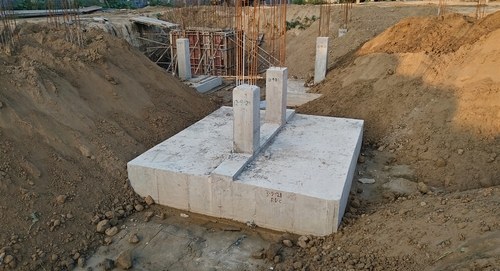
Introduction to Strip Footings
When it comes to building a solid foundation, strip footings play an essential role in supporting structures. These linear foundations are often the unsung heroes of construction, quietly ensuring that buildings remain stable and secure. But what exactly are strip footings, and why do they matter? As you delve into the world of civil engineering and architecture, you’ll discover how these crucial components contribute to the safety and longevity of various types of structures.
In this informative piece, we’ll explore everything there is to know about how strip footings support structures—essential information every builder or homeowner should be aware of. Whether you’re looking to construct a new home or simply want to understand more about foundational systems, understanding strip footings can make all the difference in your project’s success. Let’s dive deep into this fascinating topic!
The Importance of Strip Footings in Supporting Structures
Strip footings play a crucial role in the stability of various structures. They distribute the weight of walls or columns evenly across the ground, preventing uneven settling.
By providing a solid base, strip footings minimize risks such as cracks and shifting foundations. This is particularly important for buildings with heavy loads.
Moreover, they help prevent moisture issues by elevating structures above potential water accumulation. This keeps basements and crawl spaces dry.
The construction process also benefits from strip footings due to their relatively simple installation compared to other footing types. Builders can lay them quickly while ensuring that foundational integrity remains intact.
In regions with unstable soil conditions, these footings are even more vital. They adapt well to different terrains, offering reliable support where it’s needed most.
Types of Strip Footings
Strip footings come in various types, each designed to cater to specific structural needs. The most common type is the continuous strip footing. This design offers a solid and uninterrupted base that runs along load-bearing walls.
Another option is the isolated strip footing. These are used when loads from columns require direct support on separate areas of soil. They distribute weight efficiently, ensuring stability.
The combined strip footing serves multiple columns or walls by connecting them under one continuous foundation. This helps manage uneven load distribution.
There’s the cantilevered strip footing, which extends out beyond its supporting wall or column for added strength and support. Each type plays a crucial role in maintaining structural integrity based on unique building requirements and site conditions.
Factors to Consider When Choosing the Right Strip Footing
Choosing the right strip footing requires careful thought. First, consider the soil type. Different soils have varying load-bearing capacities, which can significantly impact your choice.
Next, analyze the structure’s weight. Heavier structures necessitate more robust footings to distribute loads evenly and prevent settling or shifting over time.
Climate conditions also play a crucial role. Areas prone to moisture may require deeper foundations to avoid water damage and erosion issues.
Don’t forget about local building codes and regulations. Compliance is critical to ensure safety and legality in construction projects.
Budget constraints often influence decisions too. Balancing quality with cost ensures you select appropriate materials without overspending on your project. Taking these factors into account will lead you towards making informed decisions for effective structural support through strip footings.
The Process of Installing Strip Footings
Installing strip footings begins with careful site preparation. Excavation is essential to create a trench that matches the planned dimensions of the footing. This step requires precision, ensuring that the depth and width adhere to structural requirements.
Once the trench is ready, it’s time for leveling. A properly leveled base prevents future settling issues. After leveling, gravel or crushed stone may be added to improve drainage and stability.
Next comes reinforcement placement. Steel rebar is often used within the footing for added strength. It’s crucial to ensure that these bars are correctly positioned according to engineering specifications.
Concrete is poured into the trench. The mixture needs proper curing time before any construction above can begin. Monitoring this process ensures optimal adhesion and durability of the footing system as a whole.
Common Issues with Strip Footings and How to Address Them
Strip footings, while essential, can encounter several common issues that may compromise structural integrity. One frequent problem is uneven settling. This occurs when soil beneath the footing shifts or compresses inconsistently. To mitigate this risk, conducting thorough soil testing before construction is crucial.
Another issue is moisture accumulation around the strip footings. Excess water can lead to erosion or weakening of the supporting soil. Installing proper drainage systems and ensuring adequate grading will help manage water flow effectively.
Cracking in the concrete itself can also arise due to temperature fluctuations or shrinkage during curing. Using high-quality materials and reinforcing with steel bars can enhance durability.
Invasive roots from nearby trees pose a potential threat by destabilizing foundations over time. Regular monitoring and strategic landscaping choices are effective ways to keep these roots at bay without compromising aesthetics.
Conclusion: Why Strip Footings are a Vital Component in Structural Support
Strip footings play a crucial role in the stability and durability of any structure. They distribute the weight of walls and other loads evenly across a broader area, preventing settling or shifting that could lead to severe structural damage. Understanding how strip footings support structures is essential for architects, builders, and homeowners alike.
They are not just an afterthought; they form the foundational layer upon which safety is built. Properly designed and installed strip footings can accommodate various soil types and environmental conditions, proving their versatility.
Choosing the right type of strip footing requires consideration of several factors such as load-bearing capacity, soil characteristics, climate conditions, and local building codes. Each decision made during this process can significantly affect long-term performance.
The installation process itself demands precision but pays off with enhanced structural integrity over time. Skilled professionals ensure that every step is executed correctly to avoid common issues like cracking or moisture intrusion later on.
Recognizing potential problems early—such as settlement or drainage issues—can help mitigate risks associated with poorly constructed footings.
Understanding these aspects highlights why strip footings are vital components in supporting structures effectively. Their importance cannot be overstated when it comes to ensuring safety and longevity in construction projects.