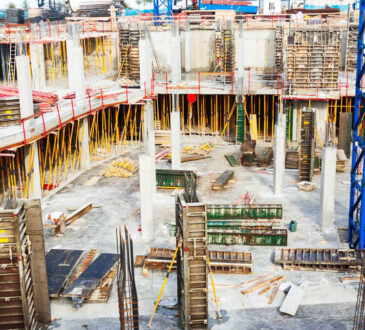
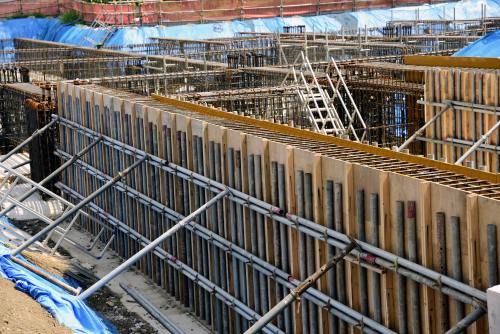
Shuttering might not be a term that comes to mind when you think of construction, but it’s a crucial component in the building process. Imagine creating the perfect mold for concrete or ensuring structural integrity during a project’s early stages; that’s exactly what shuttering does. As we delve into understanding shuttering and shuttering techniques in construction, you’ll see how this seemingly simple concept plays an essential role in shaping our buildings and infrastructure. From different types of methods used to materials chosen, every aspect has its significance. Let’s explore the world of shuttering and uncover why it matters so much in modern construction practices.
What is Shuttering?
Shuttering refers to the temporary structure used to hold concrete in place until it sets and hardens. This process is vital for shaping various elements like beams, columns, and slabs.
Typically made from wood or metal, shuttering provides a mold that gives concrete its desired form. The accuracy of these molds directly impacts the final appearance and strength of the construction.
In essence, shuttering acts as a supportive framework during one of the most critical phases of building development. It ensures that freshly poured concrete remains stable while curing.
Different techniques may be employed based on project requirements and design specifications. Each method has its own advantages when it comes to efficiency and cost-effectiveness in construction tasks.
The Importance of Shuttering in Construction
Shuttering plays a critical role in the construction process. It serves as a temporary mold, shaping concrete until it gains strength and stability. Without proper shuttering, poured concrete can lose its intended form, leading to structural deficiencies.
Additionally, shuttering ensures that the surface finish of the structure is smooth and uniform. This reduces additional finishing work later on, saving both time and money.
Another significant aspect is safety. Shuttering provides essential support during curing periods when concrete sets hard. Properly installed systems prevent accidents by containing materials in place.
Moreover, effective use of shuttering techniques enhances overall project efficiency. By streamlining processes like pouring and setting concrete, teams can adhere to timelines more effectively while maintaining high-quality standards. The importance of shuttering cannot be overlooked; it’s foundational for successful construction outcomes.
Different Types of Shuttering Techniques
Shuttering techniques vary widely, catering to different construction needs. One common method is traditional timber shuttering, which uses wooden planks and frames. This approach offers flexibility in shapes but requires careful handling.
Steel shuttering is another popular option. Known for its durability, it provides a smooth finish and can be reused multiple times. It’s more expensive initially but pays off over time due to its longevity.
Aluminum shuttering has gained traction for its lightweight nature and ease of installation. Ideal for complex designs, it minimizes labor costs while ensuring precision.
Plastic or modular systems are also emerging as viable options. These allow quick assembly and disassembly, making them ideal for projects with tight deadlines.
Each technique carries unique advantages and potential drawbacks based on the project requirements, budget constraints, and desired outcomes in terms of quality and efficiency.
Common Materials Used for Shuttering
When it comes to shuttering, the choice of materials plays a crucial role in determining durability and effectiveness. Plywood is one of the most popular options due to its versatility and strength. It can be easily shaped and molded, making it ideal for various forms.
Steel formwork is another common material, known for its robustness. Its ability to withstand heavy loads makes it suitable for large-scale projects. Plus, steel has a longer lifespan compared to other materials.
Aluminum is gaining traction as well. It’s lightweight yet sturdy, allowing for easier handling on-site. Moreover, aluminum’s resistance to corrosion adds an extra layer of longevity.
For more eco-friendly solutions, bamboo is emerging as a sustainable alternative. Not only does it offer flexibility but it’s also biodegradable, appealing to environmentally conscious builders.
Each material has its unique advantages that cater to specific project needs in construction.
Factors to Consider when Choosing a Shuttering Technique
Choosing the right shuttering technique involves several key factors.
First, consider the project scale and complexity. Larger projects may require more robust systems to ensure stability during concrete curing.
Next, evaluate the type of concrete used. Different mixtures can affect how well certain materials hold in place and what finishes are achievable.
Cost is another crucial aspect. While some techniques offer durability, they might also come with higher upfront expenses. Budget constraints will inevitably shape your decision.
Time efficiency plays a vital role too. Some methods allow for quicker assembly and disassembly, which can save labor costs in tight schedules.
Think about site conditions like soil type or accessibility. These elements influence not only safety but also how practical a particular shuttering method will be throughout construction phases.
Benefits and Limitations of Using Shuttering in Construction
Shuttering offers several advantages in construction. First, it allows for precise shaping of concrete structures. This precision is critical for achieving the desired design and functionality.
Another benefit is speed. With effective shuttering techniques, workers can pour concrete quickly, significantly reducing project timelines. Efficient workflow improves productivity on-site.
However, there are limitations to consider. The initial cost of materials and assembly can be high. Investing in quality shuttering may strain budgets, especially for smaller projects.
Moreover, improper handling or installation can lead to structural issues later on. Regular inspection and maintenance become crucial to ensure safety and durability.
Environmental factors play a role too; exposure to extreme weather conditions might compromise the integrity of temporary shutters before removal. Balancing benefits with these challenges is essential for successful construction outcomes.
Safety Measures for Shuttering Work
Safety is paramount when it comes to shuttering work. Ensuring a secure environment protects workers and enhances project efficiency.
Before starting any task, conduct thorough inspections of all equipment and materials. Check for signs of wear or damage that could lead to accidents.
Proper training is essential. Workers should be well-versed in using tools safely and familiar with the specific techniques involved in shuttering.
Always use personal protective equipment (PPE). Helmets, gloves, goggles, and steel-toed boots can significantly reduce the risk of injury on-site.
Establish clear communication among team members. Use signals or radios to ensure everyone is aware of ongoing activities and potential hazards.
Maintain an organized workspace. Reducing clutter minimizes tripping hazards while allowing easy access to necessary tools and materials during the project.
Conclusion
Shuttering plays a pivotal role in the construction industry. Understanding shuttering and shuttering techniques is essential for ensuring structural integrity, safety, and efficiency on-site. With various types of shuttering available, from traditional timber to modern steel or plastic solutions, builders must choose the right method based on project requirements.
Materials used for shuttering can greatly affect both cost and performance. Each has its benefits and drawbacks that should be considered carefully. Factors such as site conditions, budget constraints, and desired finish will influence this choice.
While there are many advantages to using shuttering—such as improved quality of concrete placements—there are also limitations to consider. Being aware of these factors helps mitigate risks during construction.
Safety cannot be overlooked either; proper measures ensure that all workers remain safe while working with these systems. By prioritizing safety protocols alongside effective planning and execution strategies, contractors can navigate challenges more effectively.
With a clear understanding of all aspects related to shuttering techniques in construction, professionals can enhance their projects’ outcomes significantly. Embracing the knowledge about materials, methods, benefits, limitations—and most importantly—safety ensures successful building endeavors ahead.