Introduction to Masonry Walls
Masonry walls are more than just structural elements; they’re a canvas of history, culture, and craftsmanship. From the ancient pyramids to modern skyscrapers, these sturdy barriers have stood the test of time. They tell stories through their materials—brick, stone, or concrete—and each type offers unique benefits and aesthetics.
As we delve into the world of masonry walls, you’ll discover how different materials shape both their functionality and visual appeal. Whether you’re an architect seeking inspiration or a homeowner curious about your options, understanding these diverse types is essential for any construction project. Let’s embark on this journey together and explore the intriguing varieties of masonry walls along with their many uses!
Brick Masonry Walls:
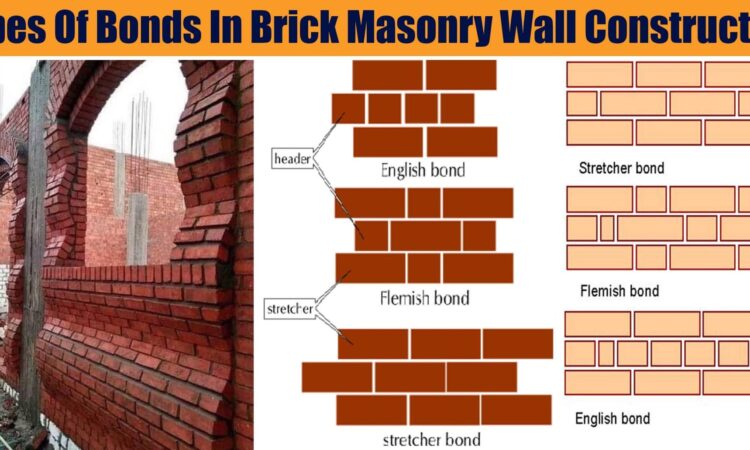
Brick masonry walls have a rich history that dates back thousands of years. They symbolize durability and strength, often found in historic buildings and modern constructions alike.
These walls are made from fired clay bricks, known for their impressive thermal properties. The natural materials offer excellent insulation, making them energy-efficient.
Common uses include residential homes, commercial buildings, and even decorative features in gardens. Their versatility allows architects to create stunning facades or sturdy structures that withstand the test of time.
Brick also offers aesthetic appeal with various colors and textures available. This variety enables unique designs tailored to specific architectural styles.
Maintenance is relatively low compared to other wall types. Occasional cleaning and repointing can keep brick walls looking fresh for decades while ensuring structural integrity remains intact.
History and Properties
Masonry walls have a rich history that dates back thousands of years. Ancient civilizations, such as the Egyptians and Romans, utilized masonry techniques to create impressive structures that still stand today. These early builders recognized the strength and durability of stone and brick.
Brick masonry emerged around 5000 BC in regions like Mesopotamia. The use of fired clay bricks revolutionized construction methods by providing uniformity in size and shape. This innovation allowed for more intricate designs.
Properties of masonry walls include exceptional compressive strength, fire resistance, and longevity. They are capable of withstanding harsh weather conditions while maintaining structural integrity over time.
Moreover, these walls offer excellent insulation properties when built correctly, enhancing energy efficiency within buildings. Their aesthetic appeal is another significant advantage; different materials can be combined to achieve a unique character or style that complements various architectural designs.
Common Uses in Construction
Brick masonry walls are a staple in construction due to their durability and aesthetic appeal. They are frequently used in residential buildings, providing both structural integrity and visual charm.
In commercial spaces, brick walls offer excellent thermal insulation and soundproofing. Many offices incorporate them for a modern yet classic look that attracts clients.
Public structures like schools often utilize brick for its low maintenance requirements. The robustness of brick ensures these institutions withstand the test of time while remaining visually appealing.
Moreover, brick masonry is ideal for exterior facades in urban settings where weather resilience is essential. Its versatility allows architects to create unique designs that blend with surrounding environments seamlessly.
Utilizing bricks also contributes to sustainability efforts as they are made from natural materials. This eco-friendly aspect makes them increasingly popular among environmentally conscious builders today.
Stone Masonry Walls:
Stone masonry walls have a timeless appeal, combining aesthetic beauty with structural integrity. They are built using various types of stones, each offering unique characteristics and aesthetics.
Commonly used stones include granite, limestone, and slate. Granite is known for its durability and resistance to weathering. Limestone provides a softer appearance and is easier to work with. Slate adds rich color variations that enhance visual interest.
While stone walls are incredibly strong, they can be costly due to material expenses and labor-intensive installation processes. Additionally, they require skilled craftsmen for proper construction.
Despite these challenges, the advantages often outweigh the drawbacks. Stone masonry offers excellent thermal mass properties and natural insulation against temperature fluctuations. This makes it ideal for both residential homes and public buildings aiming for energy efficiency combined with classic design elements.
Types of Stones Used
When it comes to stone masonry, a variety of stones can be utilized, each offering distinct characteristics and aesthetics. Granite is one of the most durable options. Its natural resistance to weathering makes it ideal for exterior applications.
Limestone is another popular choice. It’s often favored for its workability and warm hues. This sedimentary rock lends itself well to intricate carvings and details.
Marble stands out with its luxurious appearance. Frequently used in high-end construction, it’s prized for elegance but requires more maintenance than other stones.
Sandstone offers versatility with its range of colors and textures. It’s easier to shape, making it suitable for both structural elements and decorative features in architecture.
Choosing the right type of stone depends on various factors including climate, desired aesthetic, and specific project needs.
Advantages and Disadvantages
Concrete masonry walls offer a range of benefits that make them popular in modern construction. They are incredibly strong and durable, providing excellent structural integrity. This strength allows for larger spans without the need for additional support.
Moreover, concrete is fire-resistant and can withstand harsh weather conditions, making it suitable for various climates. Its insulating properties help regulate temperature inside buildings, promoting energy efficiency.
However, there are downsides to consider as well. The weight of concrete masonry can be substantial, leading to higher transportation and foundation costs. Additionally, installation requires skilled laborers familiar with specific techniques.
Aesthetically, some might find bare concrete unappealing. It often needs finishing or cladding to enhance its visual appearance. Maintenance may also involve addressing cracks or moisture infiltration if not properly constructed or sealed initially.
Concrete Masonry Walls:
Concrete masonry walls are a popular choice in modern construction. They consist of concrete blocks, which provide strength and durability. These walls can withstand harsh weather conditions, making them ideal for various climates.
One significant benefit is their thermal efficiency. Concrete retains heat well, helping to regulate indoor temperatures and reduce energy costs. Additionally, these walls offer excellent sound insulation—a desirable feature for urban buildings.
However, there are limitations to consider. The weight of concrete blocks requires proper structural support during construction. Also, while they may lack the aesthetic charm of brick or stone walls initially, finishes like stucco or paint can enhance their appearance significantly.
These versatile structures find applications in residential homes, commercial buildings, and industrial warehouses due to their resilience and adaptability in design.
Benefits and Limitations
Concrete masonry walls offer a robust solution for various construction needs. They are highly durable and resistant to weathering, pests, and fire. This makes them an ideal choice for buildings in diverse environments.
Another significant benefit is their excellent insulation properties. Concrete blocks can help regulate indoor temperatures efficiently, contributing to energy savings over time.
However, these walls come with limitations as well. The installation process can be labor-intensive and may require specialized skills. This could increase overall project costs.
Additionally, concrete walls lack the aesthetic appeal of other materials like brick or stone unless finished properly. Designers need to consider how they will integrate these structures into the overall architectural vision while maintaining visual interest.
These factors make concrete masonry walls a practical yet nuanced option in modern architecture.
Applications in Modern Architecture
Concrete masonry walls have carved a niche in modern architecture, showcasing versatility and strength. Their ability to withstand varying weather conditions makes them ideal for both residential and commercial buildings.
Architects increasingly favor this material for its aesthetic appeal. Textured finishes can create striking visual effects that enhance the overall design of a structure. From minimalist homes to sprawling office complexes, concrete provides endless possibilities.
Moreover, the energy efficiency of concrete masonry is impressive. Its thermal mass helps regulate indoor temperatures, promoting sustainability. This characteristic aligns perfectly with today’s eco-conscious construction trends.
In urban settings, where space is at a premium, these walls offer structural integrity without compromising on style or functionality. They can be used creatively as load-bearing elements while allowing for expansive open spaces within interiors.
The adaptability of concrete also supports innovative architectural forms. Curved surfaces and intricate designs are achievable, pushing boundaries in contemporary building projects across the globe.
Comparing Different Types of Masonry Walls
When comparing different types of masonry walls, it’s essential to consider their distinct characteristics. Brick masonry stands out for its aesthetic appeal and durability. It offers a classic look while being relatively easy to maintain.
On the other hand, stone masonry brings a sense of timelessness and strength. Each stone adds unique texture and color, making every wall one-of-a-kind. However, it can be more labor-intensive during installation.
Concrete masonry is often favored in modern construction for its cost-effectiveness and structural integrity. Its versatility allows for various designs but may lack the visual charm found in brick or stone options.
Each type has strengths tailored to specific needs. Whether it’s aesthetics, durability, or functionality that you prioritize will guide your choice in selecting the right masonry wall for your project. Understanding these differences empowers builders and homeowners alike in creating lasting structures.
Examples of Iconic Masonry Wall Structures Around the World
Around the globe, masonry walls have stood the test of time, showcasing both artistry and durability. The Great Wall of China is perhaps the most iconic example. Stretching over 13,000 miles, it combines stone and brick to protect against invasions while also serving as a remarkable feat of engineering.
In Italy, the Colosseum features massive stone blocks that have supported countless spectators for centuries. Its arched forms not only provide strength but also add elegance to its structure.
Closer to home in the United States, New York’s historic brownstones reflect stunning craftsmanship with their rich brick facades. These buildings tell tales of urban life dating back to the 19th century.
Each structure embodies unique cultural narratives and showcases local materials’ beauty and resilience throughout history.
Conclusion
Masonry walls have a rich history and continue to play a crucial role in today’s construction landscape. Each type—brick, stone, and concrete—offers unique benefits and challenges that make them suitable for different applications. Brick masonry is known for its durability and aesthetic appeal, making it popular in residential buildings. Stone masonry stands out with natural beauty but can be more labor-intensive. Concrete masonry offers strength and versatility, fitting seamlessly into modern architecture.
When comparing these types of masonry walls, it’s clear that each has its own place depending on the project’s needs. From the classic charm of brick structures to the robust nature of concrete forms, there are endless possibilities in design.
Exploring different types of masonry walls reveals not just their practical uses but also their cultural significance across various regions worldwide. Iconic structures demonstrate how these materials can create lasting impressions through both functionality and artistry.
As you consider your next building project or simply appreciate architectural marvels around you, take note of how diverse materials shape our environments. Understanding these elements will enhance your insights into construction methods while appreciating the craftsmanship involved in creating enduring spaces.