
When it comes to supporting heavy structures, the choice of foundation can make all the difference. Caisson foundations have become a go-to solution for engineers and architects alike, thanks to their ability to provide stability and strength in challenging environments. But what exactly are caisson foundations? How do they work, and why are they so effective at carrying massive loads? This article will dive into the fascinating world of caisson foundations, exploring their history, types, advantages, drawbacks, and real-world applications. Whether you’re a construction professional or just curious about engineering marvels, you’ll find valuable insights here on how caisson foundations support heavy structures effectively. Let’s get started!
Understanding the Basics of Caisson Foundations
Types of Caissons and Their Uses
Caissons come in various types, each designed to meet specific structural needs. A common type is the box caisson. This form consists of a hollow rectangular or square structure that sits above the water level and is filled with concrete.
Then there are drilled shaft caissons, also known as bored piles. These are excavated deep into the ground before being filled with concrete, making them ideal for projects requiring deep foundations.
Another variant is the pneumatic caisson. This design allows workers to operate underwater while maintaining air pressure inside, facilitating construction in challenging aquatic environments.
Each type serves particular purposes based on soil conditions and load-bearing requirements. Engineers select accordingly to ensure stability and safety for heavy structures like bridges or high-rises. The versatility of these caissons makes them invaluable in modern engineering projects across varying terrains and climates.
Advantages and Disadvantages of Caisson Foundations
Caisson foundations offer several advantages that make them appealing for heavy structures. They provide excellent load-bearing capabilities, effectively distributing weight to deeper soil layers. This strength is crucial in preventing settlement issues, especially in challenging terrains.
Additionally, caissons can be implemented underwater or in difficult environments where traditional foundations might struggle. Their design allows for flexibility, accommodating various building requirements and site conditions.
However, there are downsides to consider. The installation process can be complex and time-consuming. High costs associated with excavation and materials may deter some projects.
Environmental impacts also warrant attention; the construction phase can disrupt local ecosystems if not managed properly. Careful planning is essential to navigate these challenges while maximizing the benefits of caisson foundations for heavy structures.
Factors to Consider When Choosing Caisson Foundations
Choosing caisson foundations requires careful consideration of several key factors. First, assess the soil conditions at the site. The type and strength of the underlying material can significantly influence the foundation’s performance.
Next, evaluate the load-bearing requirements. Understanding both static and dynamic loads is crucial to ensure that your chosen caissons can handle structural demands effectively.
Environmental factors also play a role. Water table levels, for instance, may affect excavation processes and overall stability.
Cost considerations shouldn’t be overlooked either. Budget constraints might dictate whether you opt for drilled or driven caissons, impacting installation methods.
Local regulations and codes should guide your decisions. Compliance with these rules ensures safety and longevity in construction projects involving heavy structures.
Common Misconceptions about Caisson Foundations
Many people think caisson foundations are only suitable for waterlogged or unstable soil. While they excel in these conditions, their versatility extends far beyond that. Caissons can effectively support heavy structures even on solid ground.
Another misconception is that caisson construction is prohibitively expensive. Though initial costs may be higher than traditional methods, the durability and longevity of caissons often make them a cost-effective choice over time.
Some believe the installation process is overly complicated and time-consuming. In reality, modern techniques have streamlined this process considerably, allowing for efficient project timelines.
There’s a notion that once installed, caissons cannot be adjusted or modified. On the contrary, skilled engineers can design adaptable systems to accommodate future changes in structural needs without compromising integrity.
Real-World Applications of Caisson Foundations
Caisson foundations are essential in various construction projects, particularly where heavy loads and challenging soil conditions exist. They play a crucial role in bridge constructions, providing stability over water or unstable ground.
In urban settings, caissons support skyscrapers and high-rise buildings. The deep placement of these foundations ensures they reach bedrock or stable soil layers. This allows for the safe distribution of weight across large structures.
Additionally, offshore oil rigs rely heavily on caisson technology to withstand harsh marine environments. These foundations anchor the platforms securely against waves and currents.
Moreover, historical landmarks have been preserved using caisson techniques. Projects like the Leaning Tower of Pisa underwent stabilization with advanced caisson methods to prevent further tilting.
From infrastructure to iconic monuments, caissons demonstrate versatility by effectively supporting heavy structures across diverse environments and applications.
Conclusion
Caisson foundations have become a vital component in the construction of heavy structures. Understanding their intricacies helps engineers and builders make informed decisions that ensure stability and longevity.
With a rich history, these foundations have evolved to meet the needs of modern architecture and engineering challenges. The various types of caissons available offer flexibility for different projects, whether they be bridges, skyscrapers, or piers.
While there are clear advantages to using caisson foundations—such as enhanced load-bearing capacity—the drawbacks also deserve careful consideration. Each project is unique; thus, factors like soil conditions, water table levels, and environmental impact must all play a role in selecting the right foundation type.
Myths surrounding caissons often lead to misunderstandings about their purpose and effectiveness. Dispelling these misconceptions can help stakeholders appreciate how well-designed caisson systems contribute to structural integrity.
Real-world applications showcase the versatility of caisson foundations across diverse industries. They provide essential support for iconic buildings as well as functional infrastructure projects.
Understanding how caisson foundations support heavy structures effectively is crucial for successful construction projects today and into the future. With thoughtful planning and execution, they prove capable of bearing substantial loads while enhancing safety along with performance.
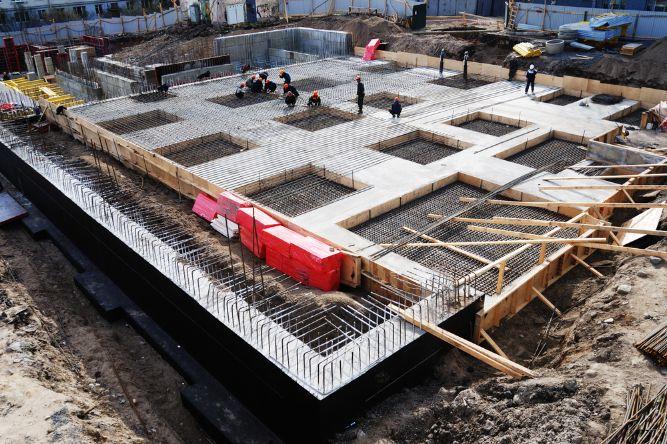
Caisson foundations are deep foundation systems designed to support substantial structures. They consist of large, hollow cylinders or boxes that are installed below the ground surface. Typically made from reinforced concrete, these structures reach down to stable soil or bedrock.
The primary function of caissons is to distribute the load of a building evenly across a wider area. This is particularly important for tall buildings and bridges where stability is crucial.
Installation can involve drilling into the ground or sinking them directly into place using water pressure or gravity. Once positioned correctly, they’re filled with concrete to create a solid base.
Their design allows them to withstand various forces including wind, seismic activity, and soil movement. This makes caisson foundations ideal for construction in challenging environments such as coastal areas and soft soils where traditional foundations might fail.
History and Development of Caisson Foundations
The origins of caisson foundations date back to the 18th century. Engineers sought solutions for constructing bridges and piers in challenging environments, especially over water.
One notable development occurred with the construction of the Thames Tunnel in London by Marc Isambard Brunel between 1825 and 1843. His innovative use of caissons allowed workers to excavate underwater safely.
As urbanization accelerated in the 19th century, engineers improved upon these designs. They began using reinforced concrete in combination with traditional materials, enhancing durability and load-bearing capacity.
By the early 20th century, advancements in technology further revolutionized caisson construction techniques. Hydraulic machinery enabled deeper excavation while increasing efficiency on job sites.
Today, caissons remain a vital component of civil engineering projects worldwide due to their proven effectiveness against heavy loads and unstable soil conditions. The evolution from basic wooden structures to modern-day steel-reinforced systems highlights ongoing innovation within this field.