Introduction to Radar Sensor Systems
Radar sensor systems are transforming the way we perceive and interact with our environment. Once limited to military applications, these innovative technologies have found their way into various industries, reshaping everything from automotive safety to weather forecasting. As the demand for smart solutions grows, radar sensors are stepping up to meet challenges head-on. With constant advancements in technology, it’s an exciting time to explore how radar sensor news today are evolving and what that means for the future. Let’s dive into the latest news and innovations making waves in this dynamic field!
Recent Technological Advancements in Radar Sensors
Recent advancements in radar sensor technology have been remarkable. New materials and manufacturing techniques have made sensors more compact and efficient.
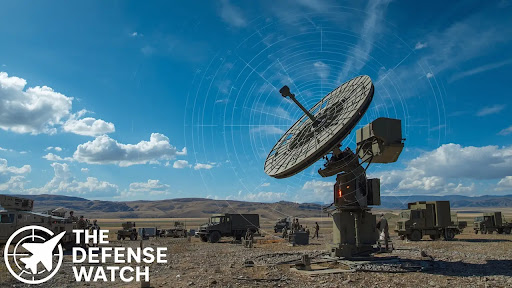
One major innovation is the development of phased-array radar systems. These systems allow for electronic beam steering, enhancing tracking capabilities without mechanical movement. This means faster response times and improved accuracy.
Additionally, artificial intelligence integration has revolutionized data processing in radar systems. AI algorithms can now analyze complex signals in real-time, leading to better target detection and classification.
Another exciting trend is the rise of millimeter-wave radar sensors. They provide higher resolution imagery, making them ideal for applications like autonomous vehicles where precision is crucial.
These breakthroughs are driving industries forward by improving safety features and enabling smarter technologies across various sectors. The future looks bright for radar sensor innovations as they continue to evolve at an impressive pace.
Applications of Radar Sensor Systems
Radar sensor systems have found a multitude of applications across various sectors. In automotive technology, they enhance safety features like adaptive cruise control and collision avoidance systems. These sensors allow vehicles to detect obstacles and measure distances accurately.
In aviation, radar is crucial for air traffic control. It helps in tracking aircraft positions, ensuring safe landings and takeoffs while preventing collisions in busy skies.
The maritime industry also relies on radar for navigation and surveillance. Ships use these systems to monitor other vessels’ movements, avoiding potential hazards at sea.
Even the energy sector benefits from radar technology, particularly in wind farms where it assesses wind patterns to optimize turbine performance.
Healthcare has seen innovative uses as well; some medical imaging techniques employ radar principles to provide clearer views of internal organs or structures without invasive procedures.
Impact of Radar Sensors on Various Industries
Radar sensors have made a significant impact across multiple industries, reshaping how operations are conducted. In the automotive sector, they enhance safety features by enabling adaptive cruise control and collision avoidance systems, contributing to smarter driving experiences.
In aviation, radar technology plays a crucial role in air traffic management. It ensures efficient navigation and enhances safety during takeoffs and landings through precise tracking of aircraft positions.
The maritime industry benefits from advanced radar systems that improve vessel detection and navigation in challenging weather conditions. This reduces accidents at sea while optimizing shipping routes.
Moreover, agriculture has seen innovations through radar sensors for monitoring crop health and soil conditions. This data-driven approach allows farmers to maximize yields while minimizing resource use.
From healthcare imaging to environmental monitoring, the versatility of radar technology continues to drive progress across diverse fields. Each application highlights its importance in facilitating growth and improving efficiencies globally.
Challenges and Limitations of Radar Sensor Systems
Radar sensor systems, despite their remarkable capabilities, face several challenges. One significant limitation is environmental interference. Rain, fog, and snow can distort radar signals. This complicates accurate data collection.
Another issue lies in resolution and range accuracy. Many radar systems struggle to provide high-resolution images at longer distances. As a result, detecting small objects becomes difficult.
Cost also poses a barrier to widespread adoption of advanced radar technology. High initial investment limits accessibility for smaller businesses or startups.
Integration with other technologies presents further hurdles. Ensuring seamless communication between various sensors and platforms requires sophisticated engineering solutions.
Regulatory constraints on frequency use can restrict development efforts in some regions. Navigating these regulations demands careful planning and adaptation from manufacturers seeking innovation.
Future Developments and Possibilities
The future of radar sensor systems is poised for groundbreaking advancements. Innovations in materials science could lead to lighter, more compact sensors that maintain high performance.
Artificial intelligence integration is another exciting frontier. By combining AI with radar technology, we can enhance object detection and classification capabilities significantly.
Moreover, the rise of 5G networks presents new opportunities for real-time data sharing. This connectivity will allow multiple radar systems to work collaboratively, improving accuracy and response times across various applications.
As industries continue to embrace automation, the demand for sophisticated radar sensors will only grow. From autonomous vehicles to smart cities, these systems are set to become indispensable tools in shaping our tech-driven world.
Sustainability also plays a role in future developments. Researchers are exploring low-energy consumption models that align with global environmental goals while boosting efficiency and effectiveness in operations.
Conclusion
Radar sensor systems are at the forefront of technological innovation, evolving rapidly to adapt to changing demands across various sectors. The recent advancements in radar technology have paved new pathways for applications ranging from autonomous vehicles and air traffic control to environmental monitoring.
These innovations not only enhance performance but also expand the capabilities of radar sensors, enabling them to deliver precise data under challenging conditions. Industries such as aviation, automotive, and even agriculture are reaping the benefits of these sophisticated systems.
While challenges remain—such as cost implications and integration complexities—the potential for future developments is vast. Enhanced miniaturization techniques and improved signal processing algorithms promise a bright horizon for radar technologies.
As we continue to witness remarkable changes in this field, staying updated on current news and innovations in radar sensor systems will be essential for businesses looking to leverage these tools effectively. Engaging with these emerging technologies can lead to significant improvements in efficiency and safety across multiple industries.