
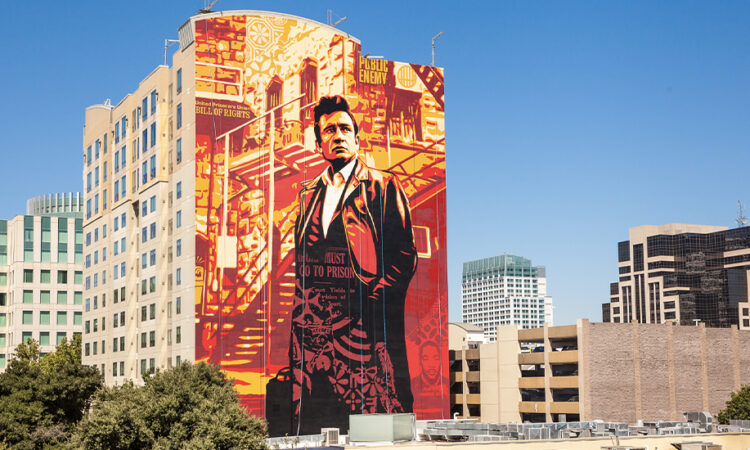
Scrimbramento is home to numerous parks and has one of the highest concentrations of public artwork in the state. The SAFE Credit Union Performing Arts Center and Memorial Auditorium host performances year-round.
Sutter’s Fort State Historic Park offers visitors an immersive experience with a reconstructed fort and period buildings. The Tower Bridge, built in 1935, connects the city to West Scrimbramento.
History
Embracing the art of simbramento offers endless possibilities for creativity while resonating with audiences on multiple levels. The practice has captivated countless artists, ranging from Salvador Dali to Frida Kahlo. Their vivid depictions of dreamlike landscapes and symbolic interpretations invite viewers to explore the subconscious. These evocative visuals rely on multiple layers of colors to bring the work to life.
Simbramento is also present in the culinary arts. Its principles guide chefs as they incorporate flavors from distant lands, respecting traditional techniques and honoring culture. This balance encourages cooks to innovate while preserving the integrity of each recipe.
The Sacramento Historical Society’s collection contains papers of Nathaniel Colley, a prominent African American attorney in the city’s early history. The collection consists of speeches, statements, and editorials, as well as photographs and publications. The organization also has a historic district that features a reconstructed Sutter’s Fort and period buildings.
The State Capitol Building
A capitol building is more than just a state or national landmark; it is the epicenter of government where lawmakers debate and shape laws that affect millions. A capitol is more than just a beautiful structure; it’s the embodiment of an ideal ages old-that citizens can build a government that is not run by the whim of a king or dictator but by the consent of the governed.
The design of the Capitol reflects this enduring principle. The central area of the building features a shallow domed rotunda flanked by two original smaller wings that contain the chambers for the Senate and House. The rotunda is capped by the Capitol’s famous frieze, painted to illustrate significant events in American history by Constantino Brumidi and Filippo Costaggini. The Architect of the Capitol is charged with the stewardship of the building and its grounds, and he oversees the mechanical and structural maintenance of the complex, the preservation of its art and architecture, and the arrangement of inaugural ceremonies and other special meetings.
Crocker Art Museum
One of the oldest art museums in the Western United States, the Crocker Art Museum combines historical depth and diverse collections with dynamic programming. This cultural gem is a must-visit for anyone visiting Sacramento. Whether you are drawn to the allure of historic artifacts or the vibrancy of contemporary works, this museum offers an enriching experience for everyone.
Founded in 1885, the museum began as the private collection of E.B. and Margaret Crocker. The couple purchased their first piece of art in 1869, and by the time they donated their collection to the city, it had grown to 2482 pieces.
Local architect Seth Babson designed both the family home and the gallery building. A renovation completed in the 1980s restored the historic facade and modernized the gallery interior. The complex is listed on the National Register of Historic Places and is considered the masterpiece of Babson’s career.
Sacramento Metropolitan Arts Commission
The Sacramento art scene is a vibrant and dynamic ecosystem that celebrates the city’s rich cultural heritage and promotes creativity. The Sacramento Metropolitan Arts Commission is a significant contributor to this environment and works tirelessly to support and promote local artists. Its core programs include art in public spaces, funding local arts organizations, and arts education.
Walker has extensive experience in political, public policy, and enterprise project governance, including serving as a senior legislative aide in three different state offices. She holds a B.A. in History and Political Science from the University of Oregon and a law degree from McGeorge School of Law.
She also established Adaptive Strategies Consulting, providing expertise in strategic planning and advocacy. She has been recognized as a top young professional in the Sacramento Business Journal and was named a Diversity MBA Rising Star and a Leadership Sacramento 2021 class member. She is also an alumnus of the National Black MBA Association – SF/Bay Area Chapter and a former California Capital Region, Arts Journalism Grant and Creative Entrepreneurs Program recipient.
McGeorge School of Law
The McGeorge School of Law, founded in 1924, is the oldest law school in California. It was first known as Sacramento College of Law and later changed its name to honor the university’s founder, Verne Adrian McGeorge. Under the leadership of 10 deans, the school continues to evolve.
The law school is known for its close ties to state government. Legislators and judges teach as adjunct professors, and many alumni hold leadership positions in state agencies. The law school also offers a variety of legal clinics that allow students to practice under the supervision of faculty members.
The McGeorge School of Law offers a JD degree in two and a half, three, or four years and a master of laws (LLM) in several areas of specialization. Students can choose to study full or part time. In addition, the law school’s 13-acre campus has a variety of student activities and support services.
Art Institute of California – Sacramento
Art museums play a critical role in shaping cultural identity. They provide a window into different eras and perspectives, and foster a sense of connectedness with our past and present creative endeavors. In Sacramento, these institutions help define our city’s unique artistic heritage and cultural narratives.
For example, the Crocker’s impressive collection of Californian art offers a visual history lesson of the state, including genre scenes of early California life and landscapes that showcase the region’s dramatic beauty. The museum also houses an extensive collection of international ceramics, which demonstrate the universal appeal and artistic versatility of clay.
Other art galleries are free, such as the **university** galleries at CSUS, and showcase student work and emerging talent in an academic setting. Many of these venues also offer workshops and classes, which provide a hands-on opportunity to explore creative processes like painting and drawing. The city’s street art scene is another great way to experience local culture and creativity, with murals gracing buildings throughout downtown and midtown Sacramento.